
X4 Labs Extender Review: How I Ended Up Learning The Hard Way
When I first looked up traction-based extenders, X4 Labs appeared on every list of popular brands. Many users described it as reliable and medically backed, so I didn’t think twice before ordering it. This is my honest X4 Labs Extender review based on what actually happened when I used it. I went in expecting gradual, steady improvement and ended up dealing with pain, swelling, and a visit to a doctor to fix what the product did to me. It wasn’t just disappointing—it was painful in ways I didn’t imagine possible from something marketed as “comfortable and clinically tested.”
Why I Decided To Try The X4 Labs Extender
My interest started after reading success stories about men gaining both confidence and measurable improvement from traction devices. The X4 Labs Extender stood out because it claimed to use “medical-grade components” and promised comfort with its padded support and silicone straps. I thought that made it safer than cheaper alternatives.
The marketing talked about its ability to correct curvature and enhance length through controlled tension. It sounded scientific, and the professional-looking site made it feel trustworthy. I wanted to start with something legitimate, so I spent extra money on the full kit, assuming higher cost meant higher safety. That assumption cost me more than just money later.
Unboxing And First Look
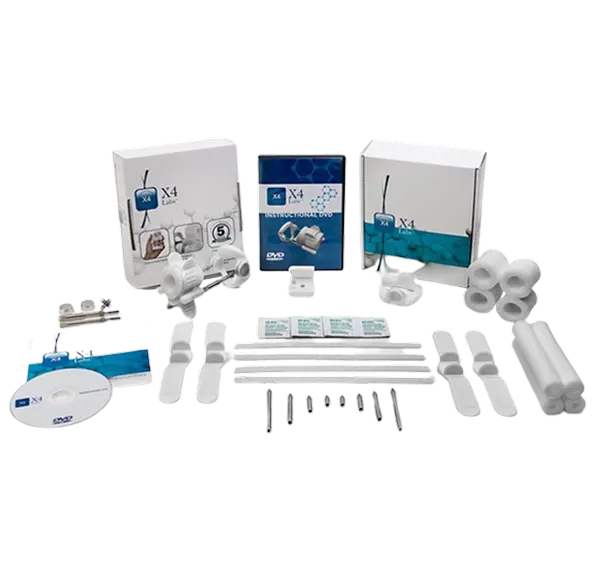
When the package arrived, it looked clean and discreet. The extender was inside a hard case along with rods, straps, foam padding, and a small manual. The setup wasn’t complicated. The materials felt solid—metal rods, plastic base, and a silicone comfort strap that looked like it would hold the head firmly.
I followed the instruction sheet carefully. It said to start with short sessions and gradually increase both duration and tension. The device felt sturdy but slightly bulky. I took that as a sign of quality. I didn’t expect that the same rigidity would later become part of the problem.
Getting Started
I started slow with about an hour per day. The first session was uncomfortable but not unbearable. It felt like a firm pull, and I assumed the tightness was just the product doing what it was meant to do. The foam padding under the strap helped reduce some pressure, but after removing it, I noticed light redness and a faint line across the skin. I brushed it off as normal.
For the next few days, I increased the duration to two hours and later three. I followed online advice from users who said longer sessions were key to faster results. That confidence made me less cautious than I should have been.
2/5
When Discomfort Turned Into Warning Signs
After about three weeks, I noticed persistent soreness every time I used the extender. It wasn’t just a temporary mark—it lingered even after I removed it. There were times the area under the strap looked slightly swollen and pale. I thought it was just circulation adjusting, so I took short breaks and resumed again.
By the fourth week, something felt different. The stretch became more like pressure. I could feel the tension build unevenly, with one side feeling tighter than the other. I tried readjusting, but no matter how I positioned it, it felt like the strap was digging in deeper. That’s when I started to feel small bursts of sharp pain.
Instead of stopping completely, I loosened it slightly and tried to “push through.” That was the biggest mistake I made.
The Night Everything Went Wrong
It happened one evening when I wore it for close to four hours while working at my desk. About halfway through, I felt a sudden sting, followed by a dull ache that wouldn’t go away. I thought maybe the strap had slipped, so I removed the device. What I saw made my stomach drop.
The area beneath the glans was dark red and swollen. There was a deep mark where the strap had been pressing, and part of the skin looked bruised. I felt a numbness that scared me. I tried to restore circulation by gently massaging the area, but it only made it more painful. Within an hour, the swelling worsened.
By that night, I couldn’t even get a normal erection without pain. That’s when I knew it was serious.
The Doctor’s Diagnosis
The next day, I went to a urologist. I explained everything—how long I had been using it, how it fit, and how the pain started. The doctor examined me carefully and said I had developed mild tissue trauma and possible vascular compression. In simpler terms, the strap had restricted blood flow long enough to cause swelling and early-stage bruising.
He told me I was lucky I stopped when I did. If I had kept using it, it could have led to nerve damage or worse. He prescribed an antibiotic cream to prevent infection and anti-inflammatory medication to manage the swelling. He also advised complete rest from any device or sexual activity for at least a month.
Hearing that made me realize how careless I’d been in trusting something just because it looked medically approved.
The Recovery Process
The swelling reduced slowly over the next week, but the tenderness stayed for much longer. I avoided tight clothing and used cold compresses a few times a day. Even small movements felt sensitive for the first ten days.
Mentally, it was draining. Every morning I’d check if things looked normal again. It took nearly three weeks for the color and texture of the skin to return to normal. Thankfully, there was no permanent damage, but the experience left me cautious and frustrated.
What hurt more was realizing I caused this while trying to improve something that didn’t need fixing.
What I Think Went Wrong
The biggest issue was the strap design. The silicone band looks soft, but it’s not flexible enough to distribute pressure evenly. When you increase tension, it digs into one part of the shaft instead of stretching the whole area uniformly. That pressure restricts blood flow fast, especially if you wear it for long periods.
The manual talks about traction and comfort, but doesn’t explain what unsafe tension feels like. It makes you think mild pain is part of progress, but it’s actually a warning. The padding also wears down quickly, leaving less cushioning between the strap and skin. Combine that with the heavy frame, and you have a setup that can go wrong without you realizing it.
Why I Wouldn’t Recommend It
I understand that some users might have good experiences with the X4 Labs Extender, but for me, it wasn’t worth the risk. The structure feels rigid, and the comfort features don’t really prevent pressure-related injuries. It’s not beginner-friendly, despite what the packaging suggests.
If you’re new to extenders, you need something with a wider strap, better padding, and a system that spreads the tension evenly. The X4 Labs design relies too heavily on tight loops for grip, and that’s what caused my problem.
I learned that comfort is not optional—it’s what keeps you safe.
Final Thoughts On This X4 Labs Extender Review
This X4 Labs Extender review is not meant to scare anyone, but to share what can happen when design flaws meet overconfidence. I trusted the brand because of its reputation and medical claims. I assumed that meant it was foolproof. But I ended up with an injury, medication, and weeks of anxiety instead of progress.
If you’re considering it, take this as a warning. Your body gives you signals for a reason. The moment something feels wrong, stop. These devices can be effective if designed well and used carefully, but not all are made the same.
I learned that the hard way. I wish I had paid more attention to comfort and less to the promises printed on the box. Sometimes “tested” doesn’t mean “safe,” and sometimes improvement isn’t worth the pain that follows.